
Promoting Climate Adaptation with Peru's Corporates
Over the past 50 years, Peru has lost 51% of its glacier coverage, according to the National Water Authority. Extreme weather events such as droughts, frost, heavy rainfall, landslides, and forest fires are occurring with greater frequency and intensity, directly impacting people’s wellbeing and the natural environment.
These impacts are already affecting the country and will continue to escalate unless urgent action is taken. In this context, the private sector plays a key role: reducing emissions is not enough. It is essential to invest in productive models that strengthen resilience. This means backing sustainable businesses and nature-based solutions. In doing so, local communities and ecosystems are protected, while companies ensure their long-term viability and competitiveness in the face of climate-related risks.
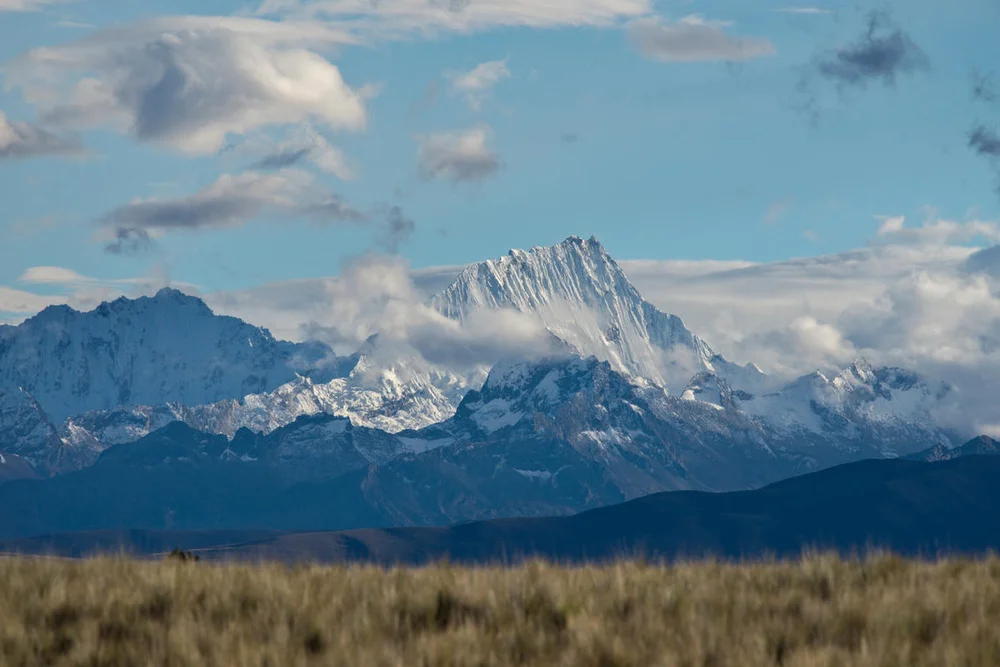 Sunrise on the "Cordillera Blanca". On the way to the Pastoruri glacier, near Huaraz,
Ancash region, Peru - Nicolas Villaume, WWF-US
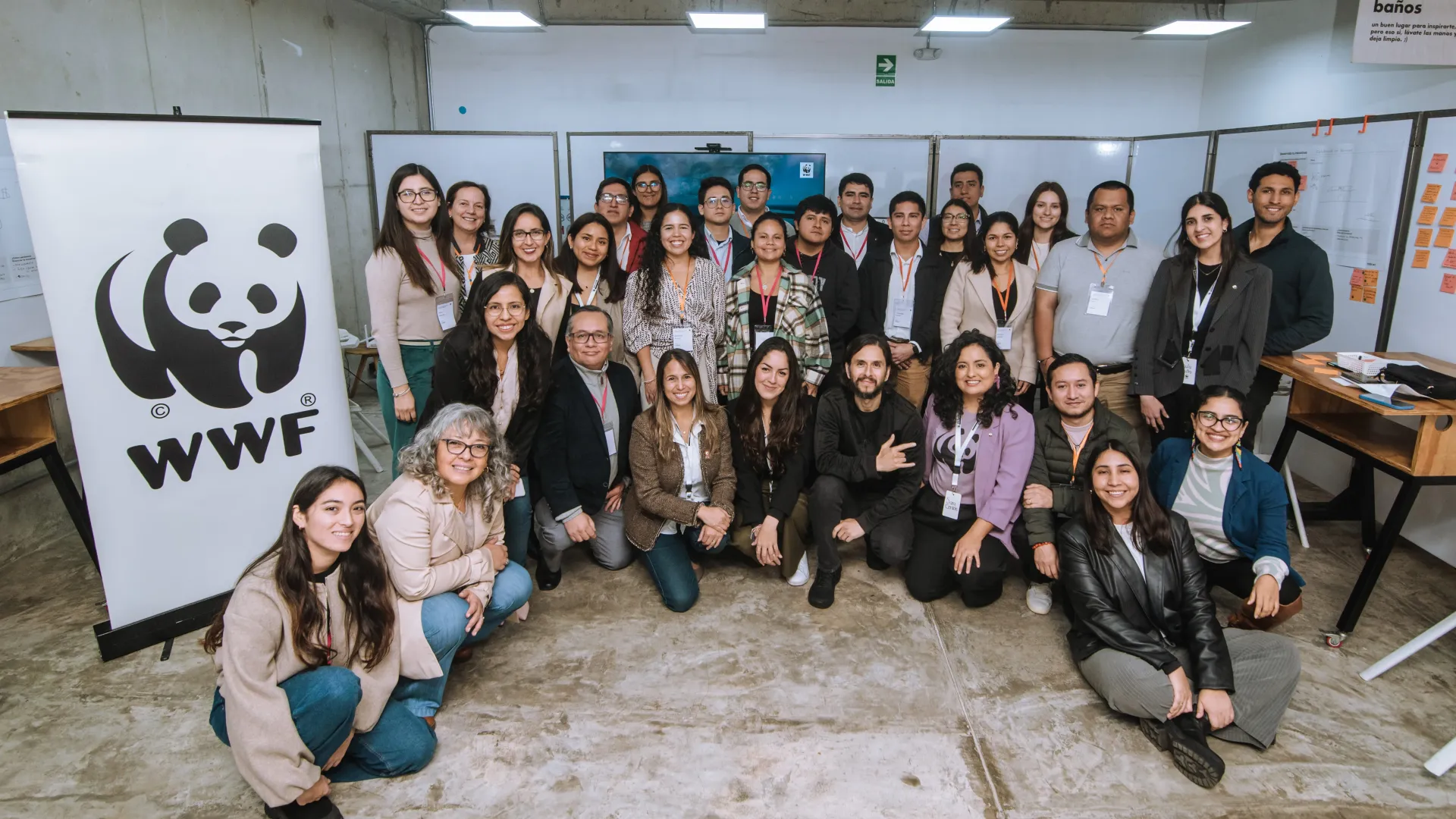
With the goal of inspiring and mobilising the private sector to design initiatives that contribute to climate adaptation - and facilitating access to financial mechanisms such as the DFCD - WWF held the workshop “Climate Change Adaptation: Initiatives that Drive Impact” on July 22nd.
“Redirecting investment flows toward activities that regenerate the planet is essential to keeping the global temperature rise below 2°C. At WWF, we promote an agenda aimed at channeling climate and biodiversity finance toward private sector initiatives with a positive impact on nature and climate resilience. Through the Dutch Fund for Climate and Development (DFCD), we seek to accelerate business solutions that help address environmental challenges,” Claudia Yep, Head of Conservation Finance at WWF Peru.
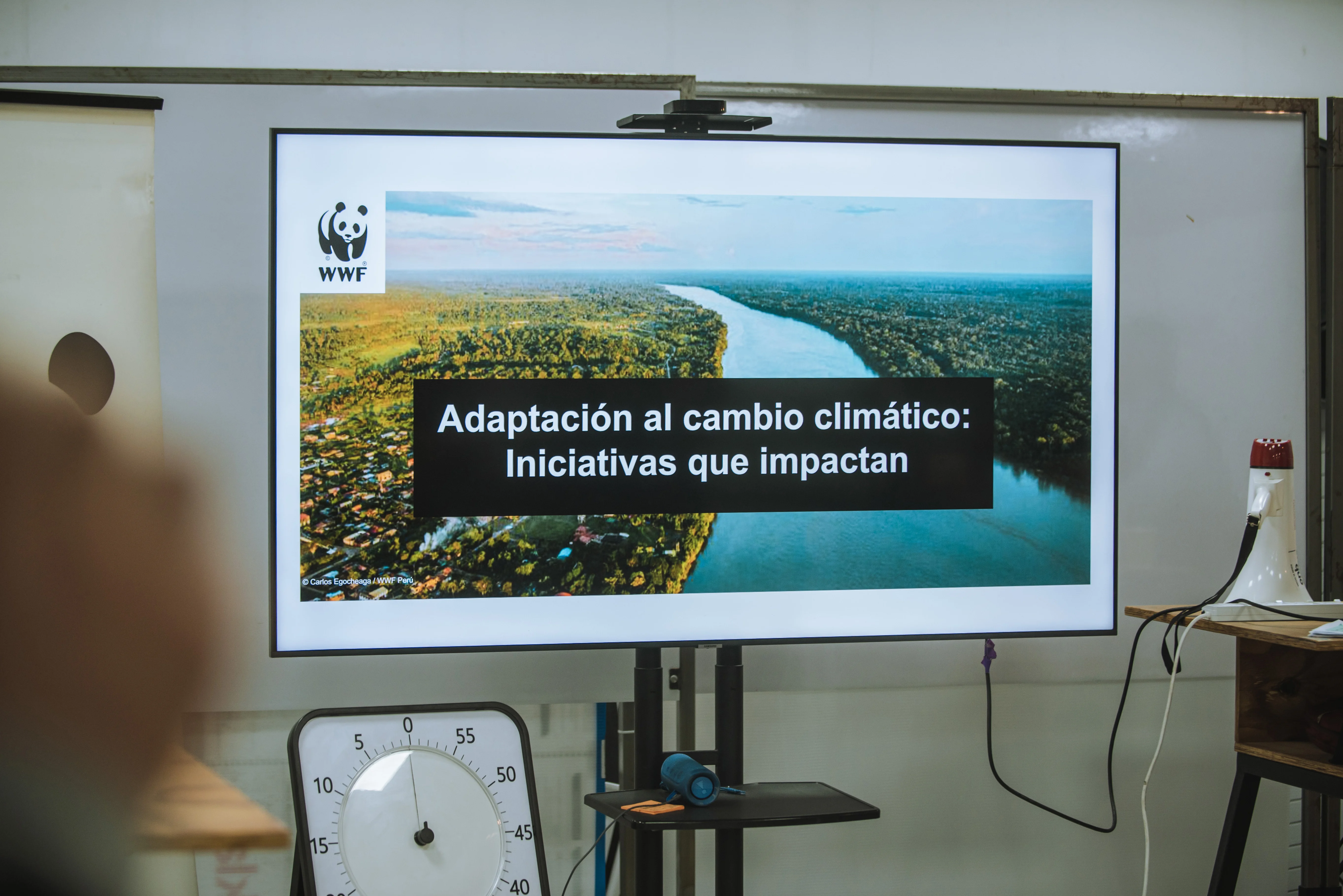
Eight companies reflected on the issue from a corporate perspective, learned from success stories that demonstrate how finance and nature can go hand-in-hand, and designed investment initiatives that propose solutions and adaptation strategies in the face of climate change.
One of the key takeaways from the event was the importance of building adaptation solutions through an integrated lens. Involving professionals from different areas - sustainability, impact, operations, procurement, financial planning, business development, and environmental and social risk - helps identify more robust opportunities that are aligned with both the business and the needs of people and nature.
“Climate adaptation is not only about risk protection; it’s an opportunity to lead the transformation of our productive sectors toward more sustainable and resilient models. The challenge lies in identifying how each company can turn climate risks into concrete opportunities for positive impact,” Sara Cerdán, Nature-Based Finance Solutions Officer at WWF Peru.
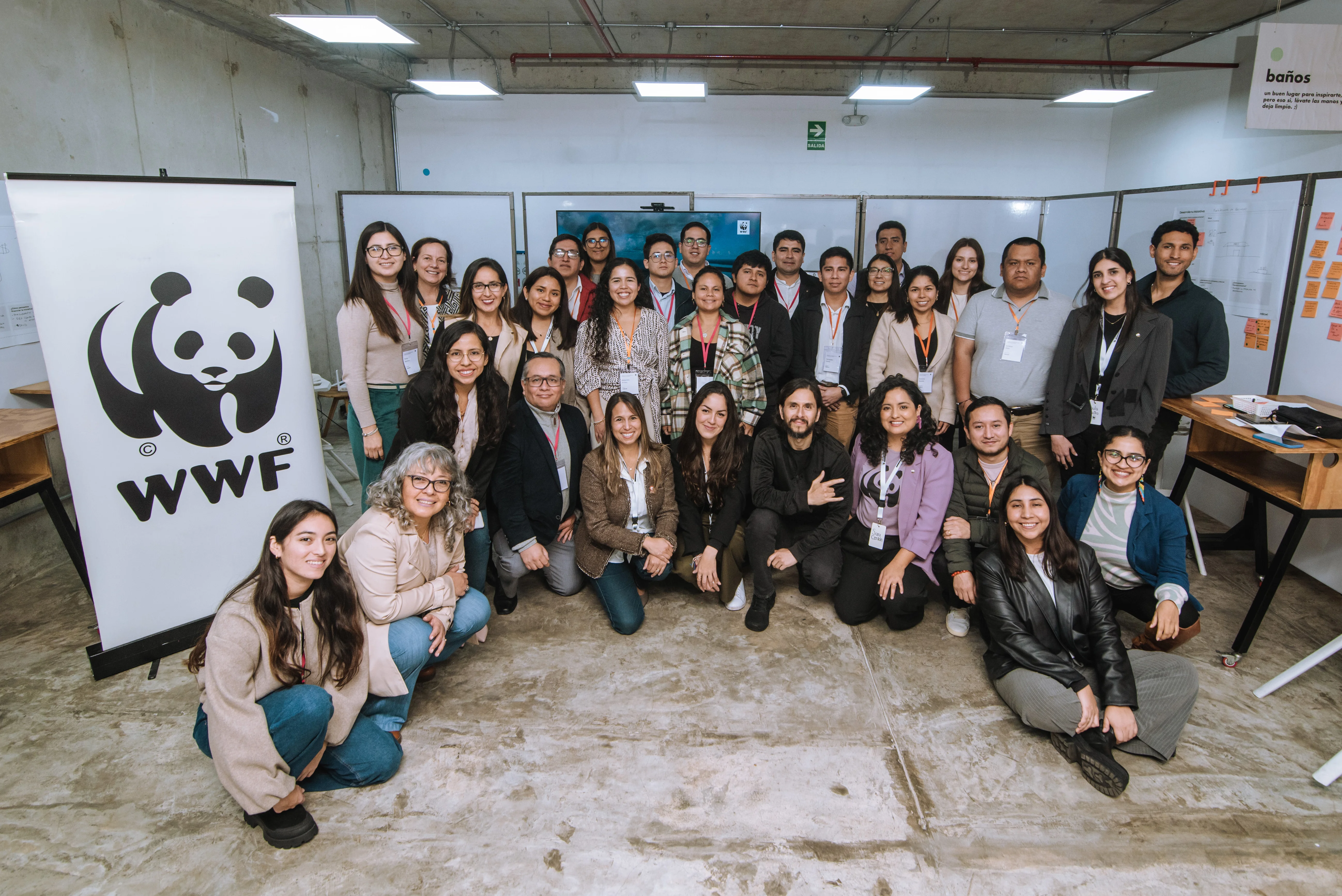
Private sector investment in large-scale climate adaptation and mitigation projects strengthens the resilience of ecosystems and communities in developing countries vulnerable to climate change.