
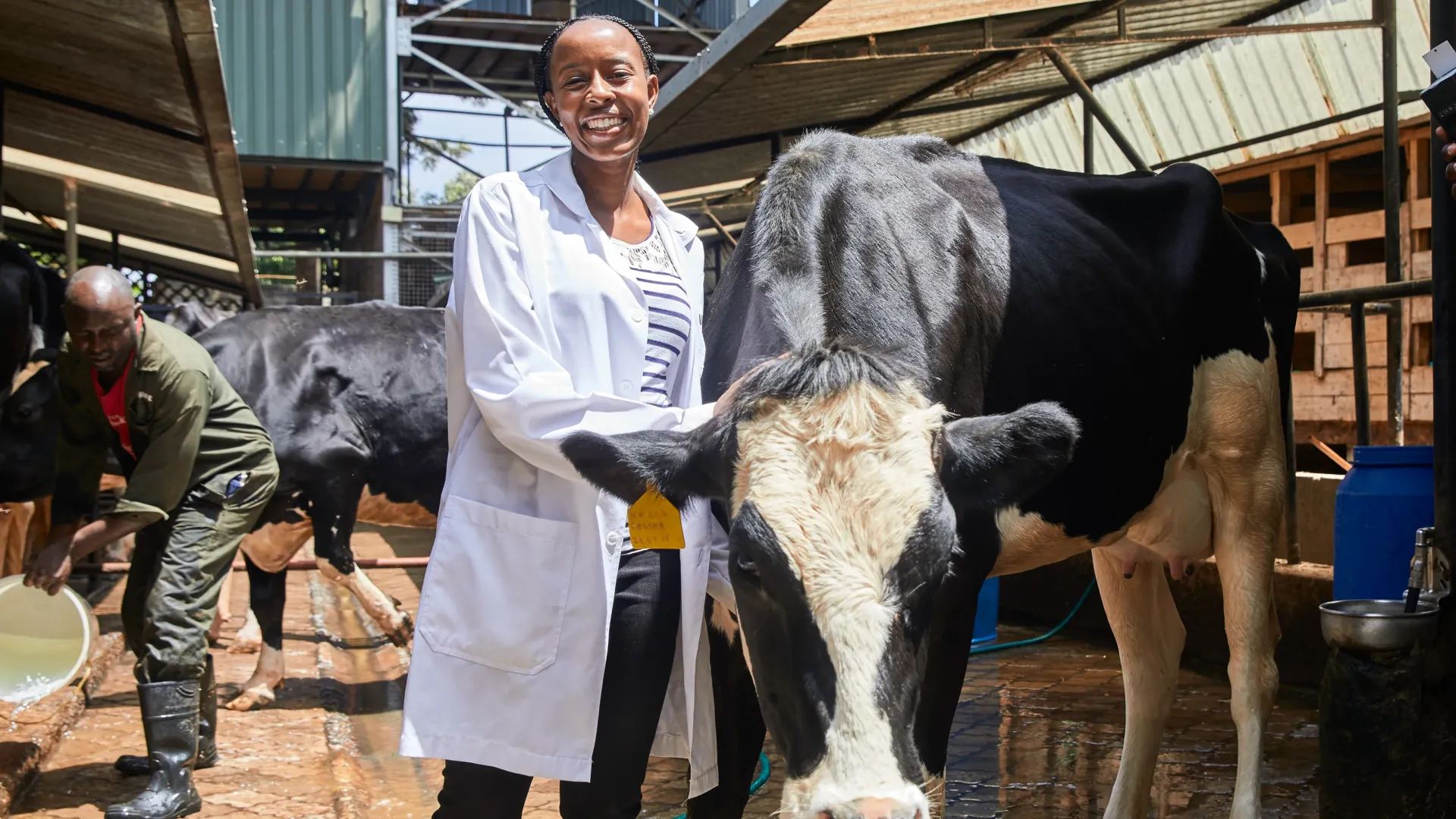
Raising milk quality and farmer resilience
Across Kenya’s highlands and Rift Valley, smallholders face compounding pressures: climate variability that disrupts fodder supply, low on-farm productivity, and milk safety risks linked to aflatoxins and antibiotic residues. DFCD’s support targets these root causes by helping Bio Foods train smallholders in climate-resilient practices, tighten milk-quality controls, and pilot UHT products that reduce waste and stabilize supply. The Origination Facility collaboration will de-risk and enhance capacity for Bio Foods' planned expansion by addressing key technical, financial, and environmental challenges.
This initiative reflects DFCD and SNV’s shared commitment to unlocking private capital for inclusive, climate-resilient agri-food systems, supporting farmer livelihoods while safeguarding public health.
About Bio Foods and the challenge they are solving
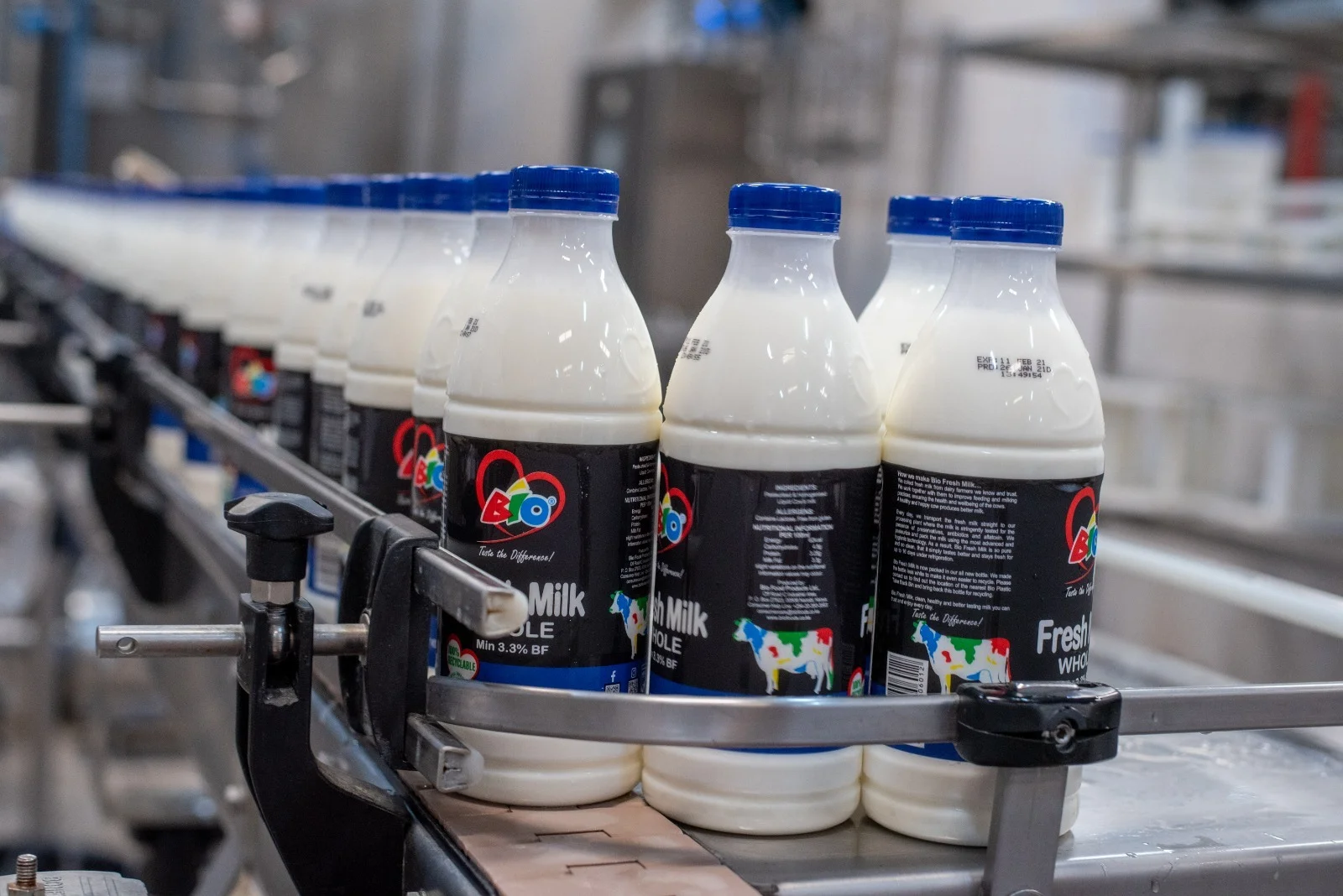
Founded in 1989, Bio Foods processes fresh milk, yoghurt, creams and other dairy products and operates an integrated cold chain from farm collection to retail delivery. Since 2024, Bio Foods has expanded beyond medium and large farms to source from two cooperatives (4,000 smallholders), with plans to reach 12,000 farmers through a transparent, premium-pricing model linked to quality.
With DFCD support, Bio Foods will pilot and scale UHT (long-life) milk, which can be stored without refrigeration for months – reducing spoilage, stabilizing supply during climate shocks, and expanding consumer access in areas where cold chains are weak. In parallel, Bio Foods will train smallholders in climate-resilient practices (e.g., fodder quality, feed planning, herd health) and embed aflatoxin-prevention measures across the supply chain.

What DFCD and SNV will support
This project builds on SNV’s earlier engagement with Bio Foods under SNV’s Kenya Market-led Dairy Programme (KMDP) Phase II which sought to enhance issues around training/capacity building, feed and fodder and milk quality, keeping climate adaptation and mitigation in mind That collaboration laid the groundwork for today’s Origination Facility support, demonstrating the potential of Bio Foods’ inclusive, climate-smart model.
Under the DFCD Origination Facility, SNV will provide targeted grant support and technical assistance to de-risk Bio Foods’ next growth phase, focusing on:
-
Market validation for UHT: Independent market research and co-packing pilots to optimize packaging, pricing, and adoption before the company’s own UHT line goes live.
-
Climate-resilient sourcing at scale: Onboarding and training of 8,000 additional smallholders through cooperatives, with modules on aflatoxin control, animal nutrition, basic occupational health and safety, and inclusive cooperative governance.
-
Independent ESG & GESI assessment: Baselines and an Action Plan to raise women’s participation (target: 35–40% of trained farmers; ≥30% women in cooperative leadership), strengthen grievance and safeguarding, and align with IFC Performance Standards.
-
Long-term plant design: Expert advice for a future-ready facility with water and energy efficiency built in from the start.
Expected impact
-
Stronger farmer resilience & incomes: Scale from 4,000 to 12,000 smallholders; 8,000 adopt climate-resilient practices; quality-linked premiums improve net incomes and reduce volatility.
-
Jobs and inclusion: ~900 jobs, including ~200 for women and ~700 for youth (18–25) across farm operations and the dairy value chain.
-
Food safety & quality: Stronger intake testing and aflatoxin-prevention across the chain; co-packing pilots conducted under ISO-aligned oversight.
You can read the full disclosure document here.
For more information and if you want to share any confidential information you may have regarding the intended project or company, please contact:
SNV - Dutch Fund for Climate and Development: dfcd@snv.org