
Growing Resilience in the Indus Delta
The Indus Delta covers some 600,000 hectares in Pakistan where the Indus River meets the Arabian Sea. Its landscape of mudflats and shrublands, creeks and eddies, is of both major economic and ecological importance. Sindh province, through which the Indus flows, contributes around 30% of Pakistan's GDP and is home to a rich diversity of freshwater, terrestrial, and marine species.
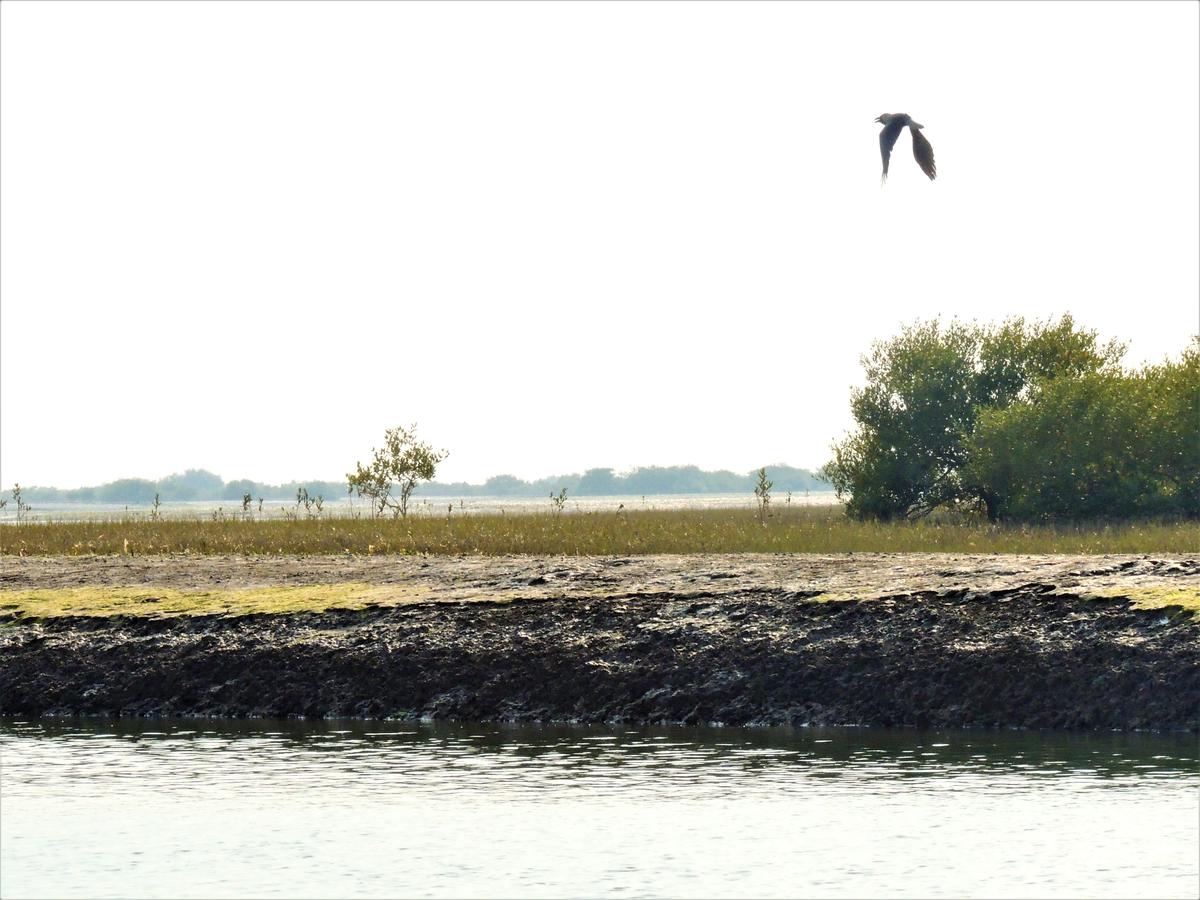
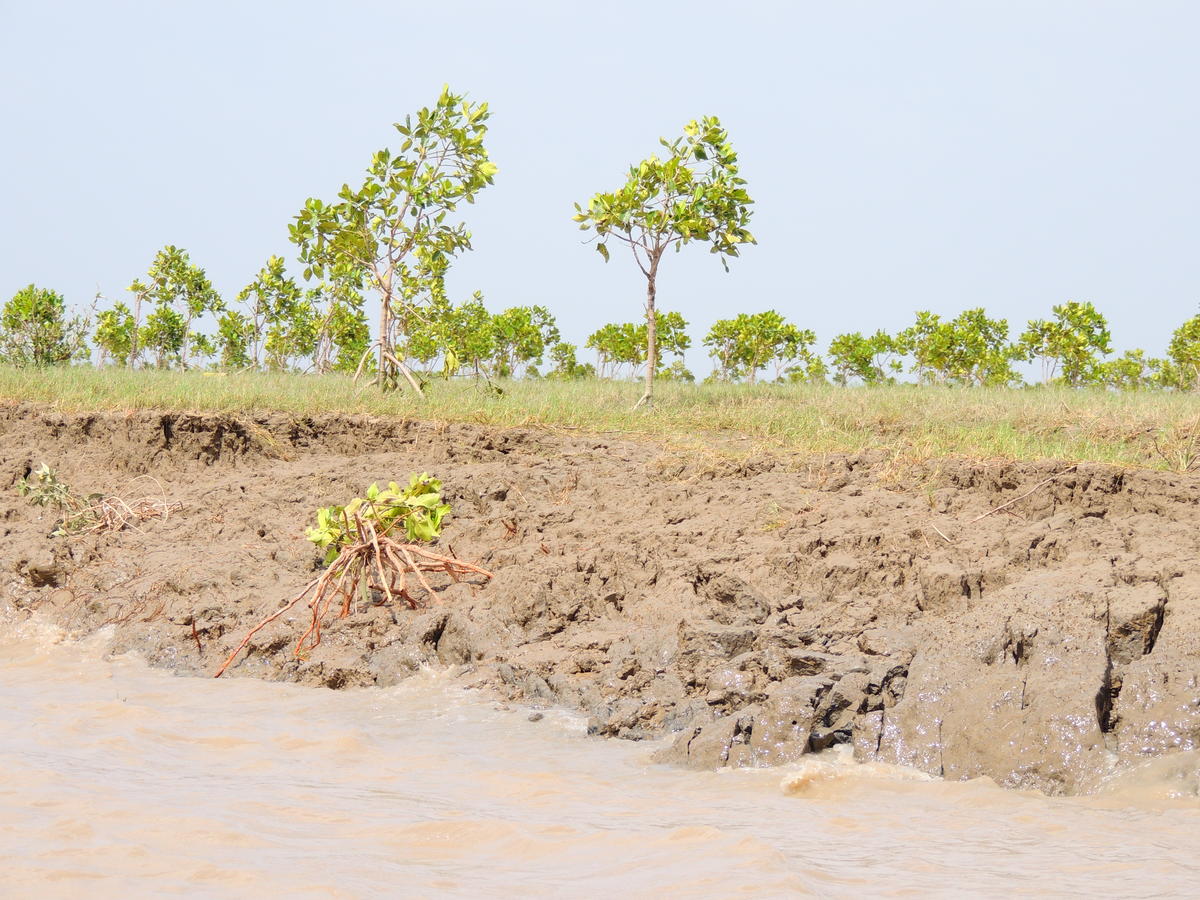
Increasingly, however, this landscape is under pressure. Higher temperatures and less rainfall mean there is less freshwater flowing into the Delta, while sea intrusion is affecting more and more farming communities. Over 90,000 people have been impacted by saline water, land degradation, and farm collapse.
Rice cultivation, the main source of livelihood in the Delta, is becoming more difficult due to salt levels in the soils and water. Meanwhile, economic instability in the country is disproportionately affecting rural, climate-vulnerable regions. Infrastructure is limited, incomes remain low, and access to formal markets is often weak.
"Weather has become unpredictable, and increasing costs make it difficult to maintain good yields." This is how a rice farmer attending GH2's recent training event in Thatta district described the pressures she faces. "We need better ways to manage these challenges."
Her experience reflects the reality facing many rice farmers across the Indus Delta, where climate change and economic pressures are increasingly threatening both livelihoods and the long-term sustainability of the region's agricultural landscape. Improving the economic and environmental situation of the Indus Delta requires the involvement of private sector actors who can influence land use at scale.
GH2 is a large producer of rice-based products in the region, with a keen understanding of how the landscape's economic prosperity is contingent upon its ability to adapt to changing conditions. In addition to exporting rice, GH2 also processes broken rice, normally of low value, into high-value ingredients such as sorbitol and dextrose, which can be sold to food and pharmaceutical companies.
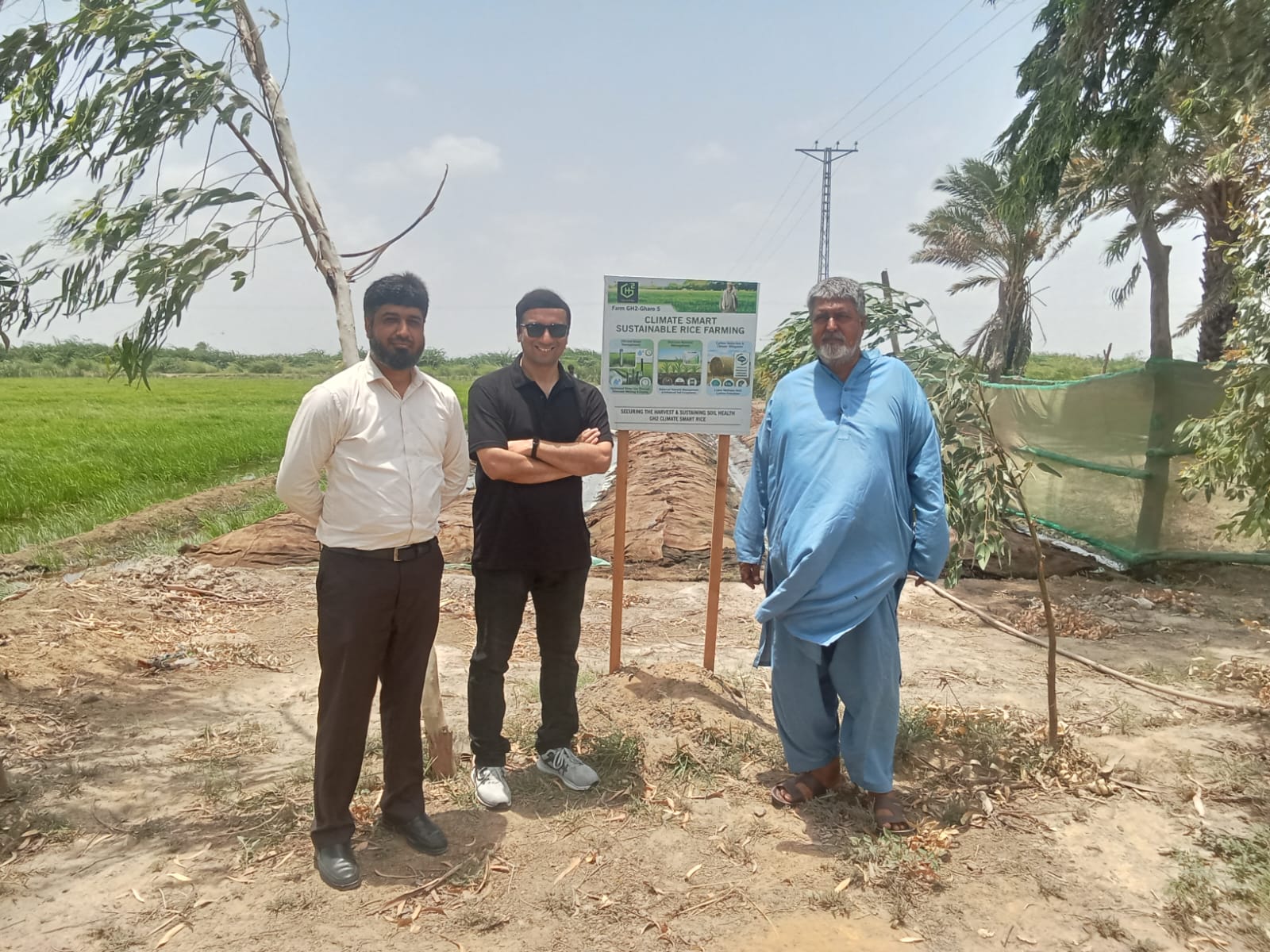
GH2 is currently building a new rice processing facility in the Sindh region, sourcing rice from local farmers, and is using a DFCD Origination Facility grant to strengthen the resilience of this value chain. The partnership involves demonstrating proof of concept for the production of rice derivative products from organic rice.
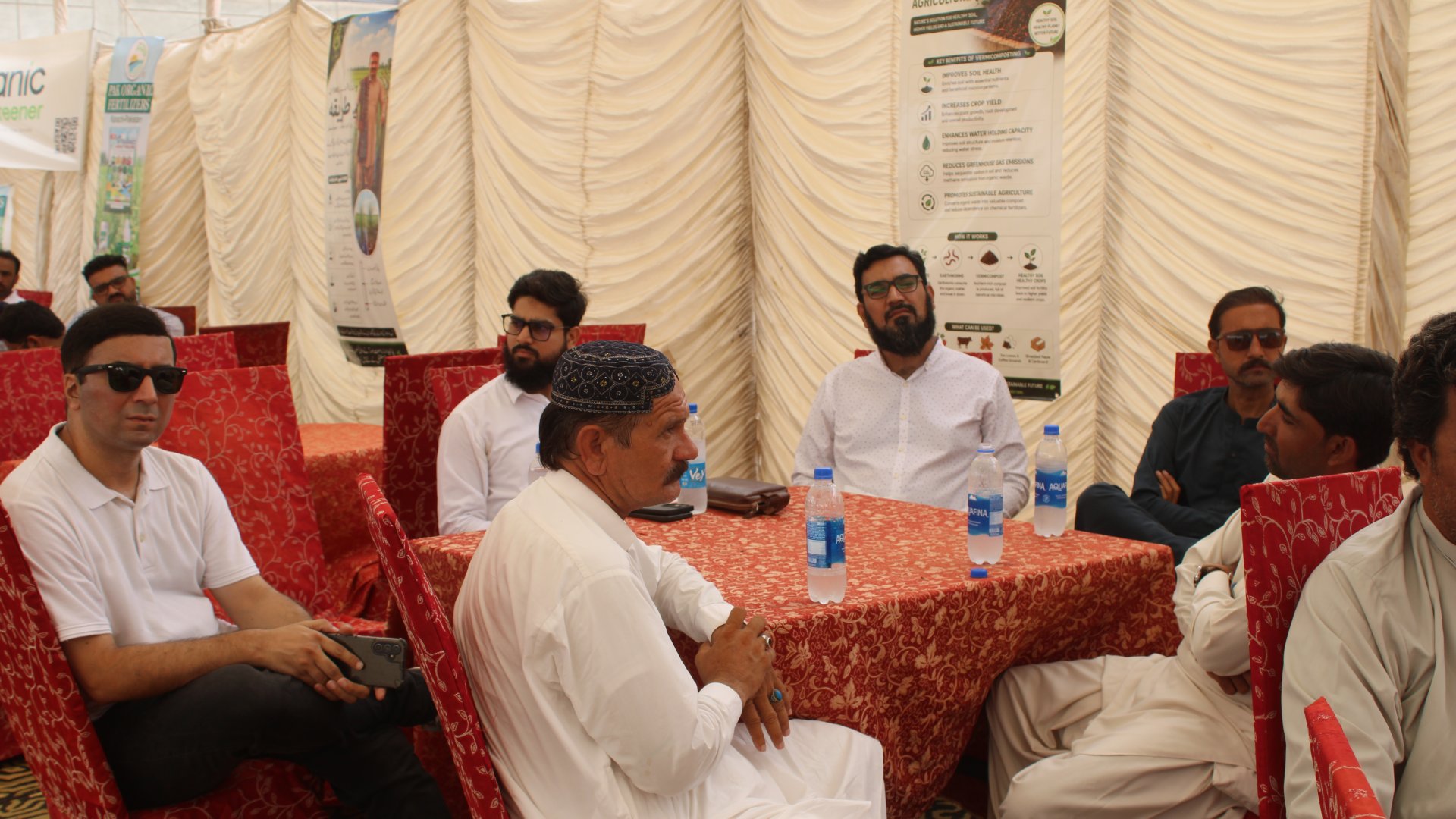
To support this effort, WWF-Pakistan is helping GH2 train farmers in Climate Smart Agriculture practices, while also working to improve gender and social inclusion in project areas. In June, the first of these workshops took place.
"Knowledge-sharing helps farmers learn practical solutions from technical experts and one another. It encourages wider adoption of sustainable practices and builds the confidence needed to adapt to changing climatic conditions," explained Haris Malik of WWF-Pakistan.
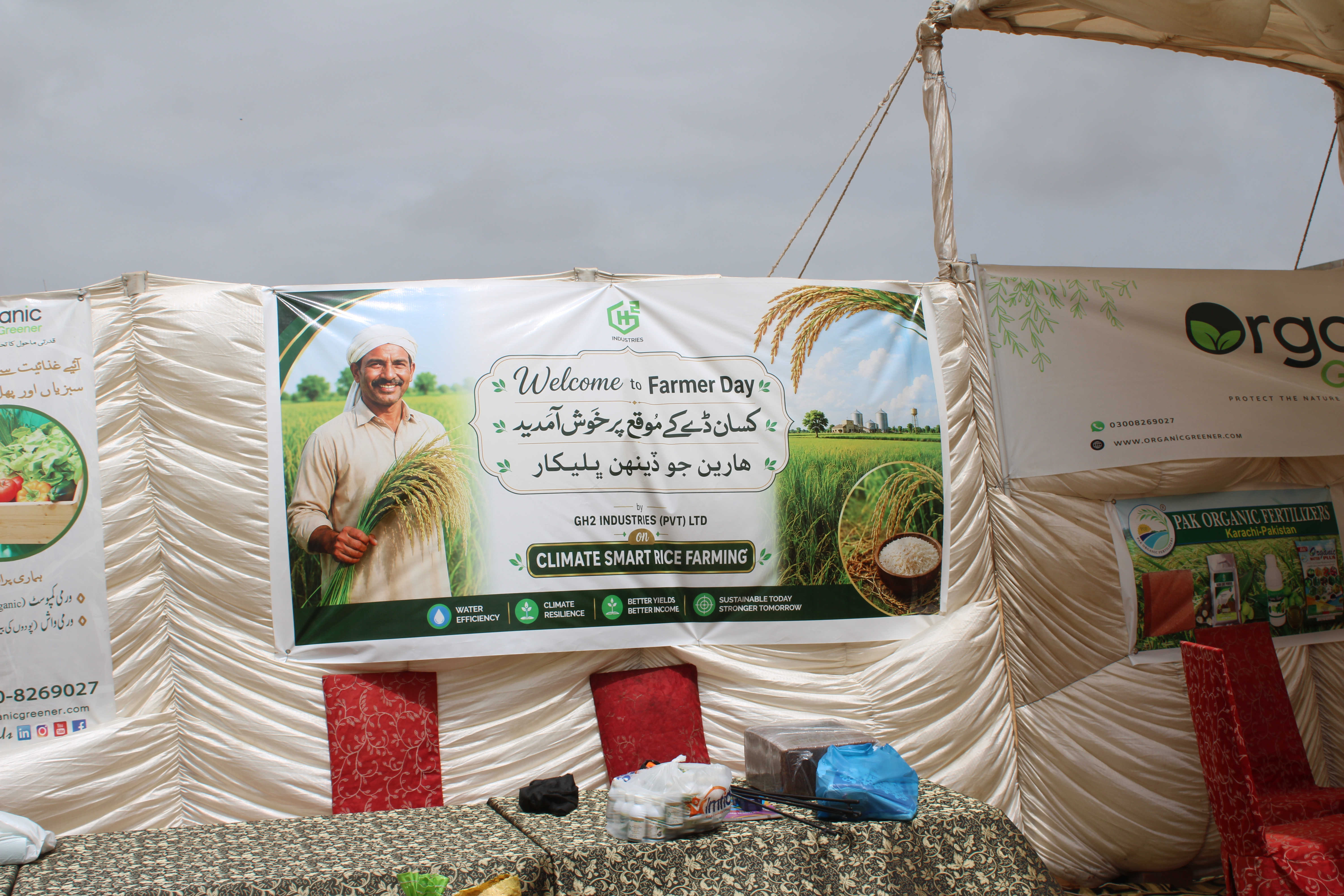
Throughout the day, we spoke with Haris, GH2 representatives and participating farmers to better understand what this kind of training means to them and what they are learning from it.
Dozens of farmers attended the workshop, where they explored how climate-smart and regenerative farming techniques can improve productivity, strengthen resilience to climate change, and create long-term value for both farming communities and the environment.
Many arrived with clear expectations about what they hoped to gain from the training.
"I wanted to learn practical ways to improve my farm and understand how climate-smart farming can help us deal with these changing conditions," said one farmer, 58.
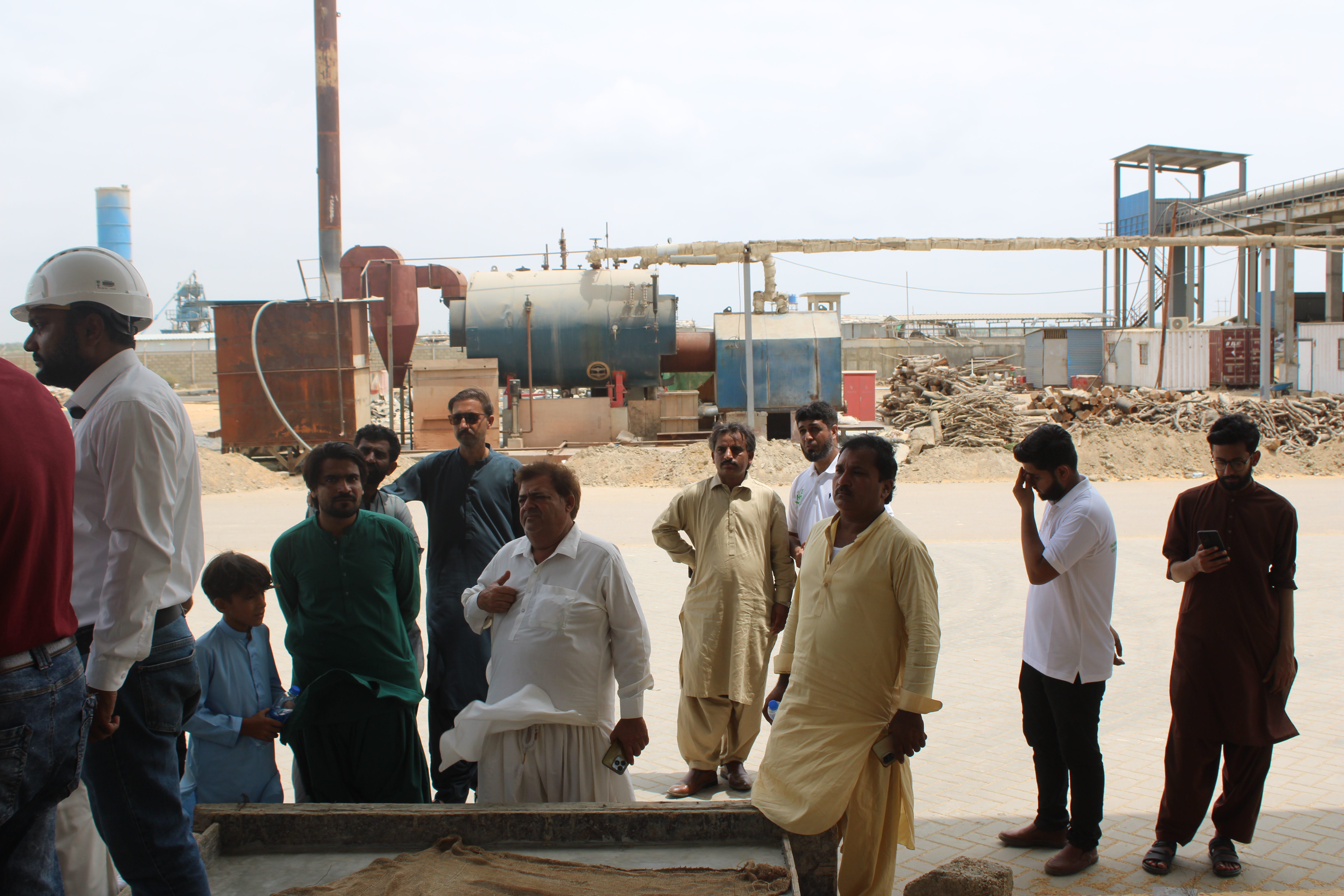
Another farmer, aged 28, told us: "I hope to build a more sustainable and profitable farm that can continue supporting my family for many years."
Lessons covered efficient water management, soil health improvement, vermicomposting and responsible nutrient management. Together, these approaches aim to restore soil fertility, reduce dependence on chemical inputs and strengthen the long-term sustainability of the rice value chain.
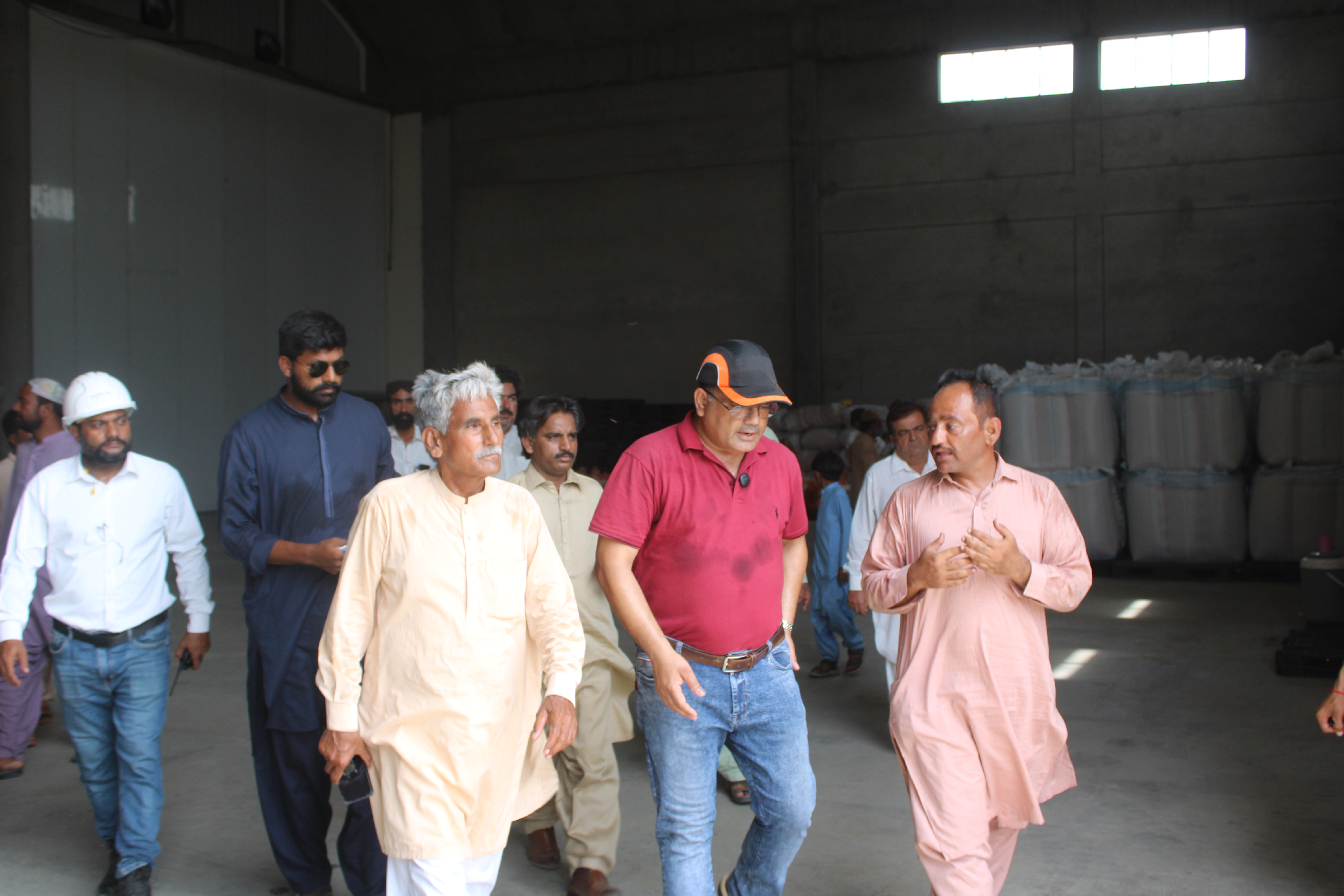
The woman farmer who earlier described the challenges posed by a changing climate reflected on what she had learned: "I learned that healthy soils are the foundation of good farming and that organic practices can improve productivity while protecting the environment."
The older farmer agreed, highlighting the practical value of the training. "I learned how better soil management, vermicomposting and improved farming practices can increase soil fertility while reducing dependence on chemical fertilizers."
These individual lessons contribute to a much larger ambition. GH2 is working to build a climate-resilient rice value chain across Sindh by expanding farmer training, promoting regenerative farming practices and strengthening partnerships with organisations such as WWF-Pakistan through the DFCD Origination Facility.
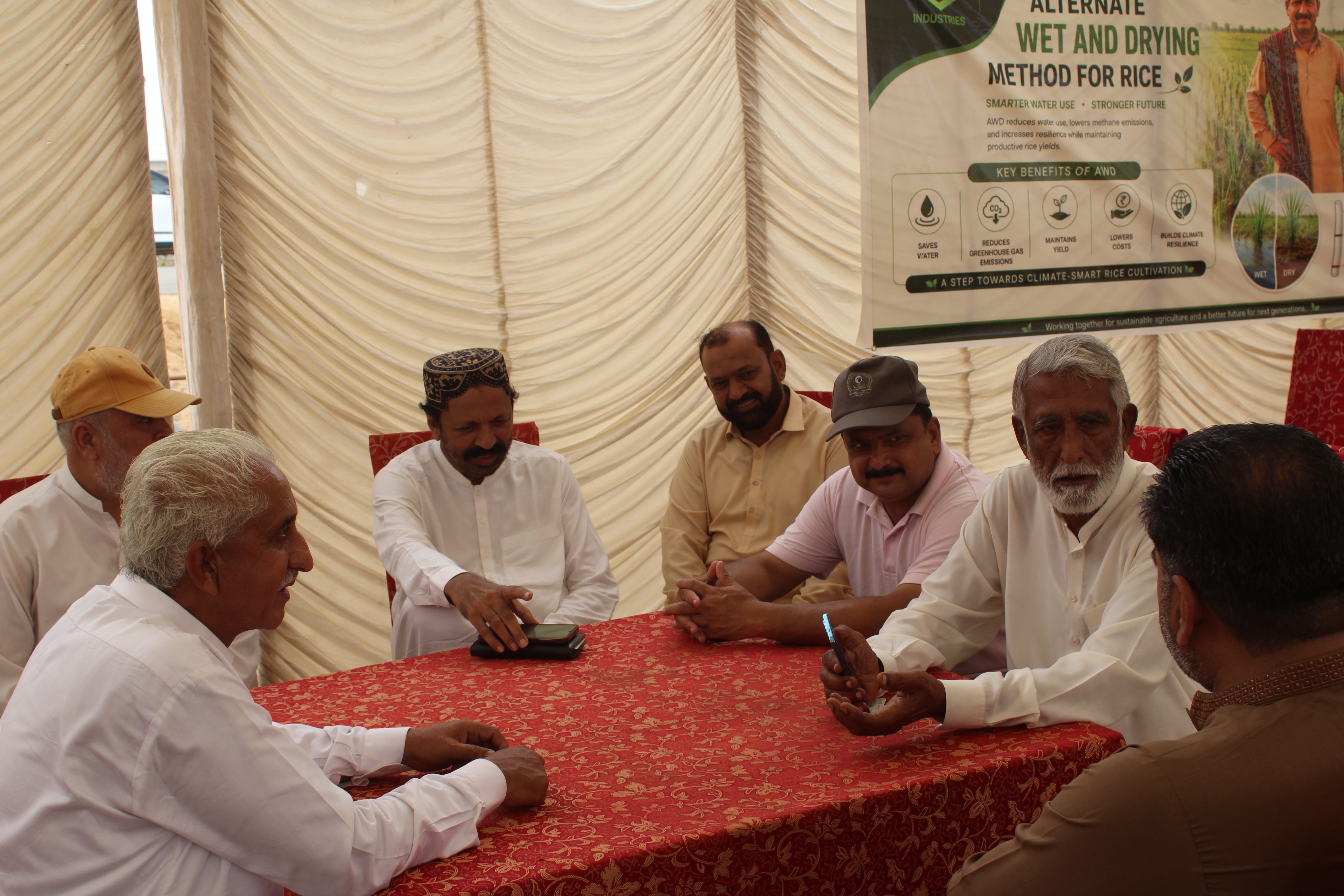
"Our vision is to build a climate-resilient rice value chain across Sindh by expanding farmer training, promoting regenerative farming practices, and strengthening partnerships with organisations like WWF-Pakistan under the DFCD Origination Facility," a GH2 representative explained.
For WWF-Pakistan's Haris Malik, empowering farmers is central to that goal. "Building climate resilience starts with farmers. By combining knowledge, innovation and responsible private-sector investment, we can create a rice sector that is more productive, sustainable and better prepared for future climate challenges."
Together, GH2, WWF-Pakistan and DFCD are helping to lay the foundations for a more resilient future in the Indus Delta, equipping farmers with the knowledge and skills they need to adapt to changing conditions while protecting the landscapes on which their livelihoods depend.
[Photos: WWF-Pakistan]